In suitable ventilation and technical systems, changing motor speed allows fan operation to match system needs.
Drive selection and application depend on motor characteristics, load and existing control requirements.
KLALU installs and replaces variable frequency drives for industrial electric motors. Implementation is adapted to motor characteristics, existing equipment and the requirements of the specific system.
Send motor information and available technical documentation so we can clarify the work scope and prepare a quotation.
SERVICE SCOPE
A variable frequency drive controls the speed of a suitable electric motor by varying output frequency and other drive quantities. Installation or replacement must coordinate device characteristics, motor requirements and system operation.
The implementation scope is determined by existing equipment and technical documentation.
Installing a variable frequency drive requires a suitable position within the system, coordinated electrical characteristics and specified operating conditions.
For installation inside an electrical panel, consider available space, equipment connections and the requirements of the drive concerned. The exact work scope is determined by the project.
Replacing an existing variable frequency drive does not always mean fitting a new device of the same dimensions. Motor characteristics, existing electrical connections, required functions and replacement model compatibility must be checked.
Any equipment and control changes must be defined before implementation.
A variable frequency drive operates as part of a wider electric motor drive system. Clarify the control method, required signals and relationship with other electrical equipment.
Drive parameter configuration, PLC programming and commissioning may be related but separately contracted stages.
APPLICATIONS
Variable frequency drives are used in electric motor systems where motor speed and operation need controlling. The appropriate solution depends on load type, operating conditions and the functions required.
In suitable ventilation and technical systems, changing motor speed allows fan operation to match system needs.
Drive selection and application depend on motor characteristics, load and existing control requirements.
Variable frequency drives can be part of pumping and cooling systems where electric motor operation needs adjustment.
Appropriate implementation requires an understanding of motor characteristics, operating conditions and the regulation method specified by the technical solution.
Every drive has its own technical requirements. Installing or replacing a variable frequency drive requires motor data, load type, existing control method and expected functions to be established.
If the drive is part of a wider automation system, clarify the scope of connections to other equipment too.
FROM REQUIREMENTS TO IMPLEMENTATION
Installing or replacing a variable frequency drive begins with understanding the existing drive system and its requirements. Electrical characteristics, available equipment and work within the agreed implementation must be coordinated.
The starting point is the drive purpose, motor information, load type and existing technical documentation. For replacement, provide the existing drive identifier or data too.
Before implementation, clarify the specified device characteristics, existing terminals and required control functions.
Drive selection, any parameter configuration and connection to automation should be clearly defined by the project.
The variable frequency drive is installed or replaced according to appropriate technical documentation and the agreed scope of work.
If changes to the electrical panel, electrical connections or other system parts are needed, their scope must be agreed separately.
Required checks and handover documentation depend on the drive type, work completed and applicable requirements.
Checking device functions, parameter configuration and commissioning an entire machine or plant are not automatically the same scope.
GALLERY
View examples of variable frequency drives installed in electrical panels and details of control, power supplies and terminals.
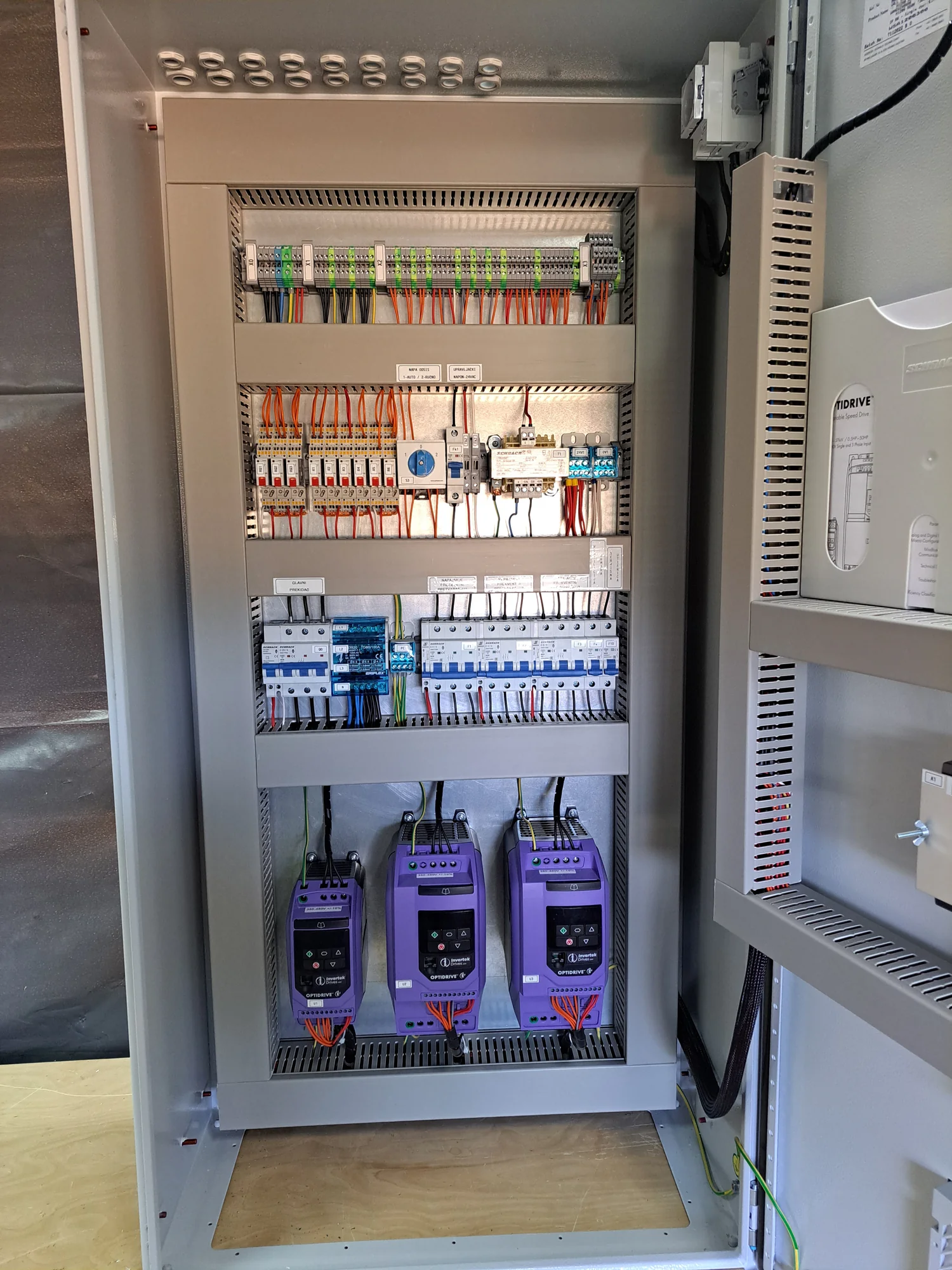
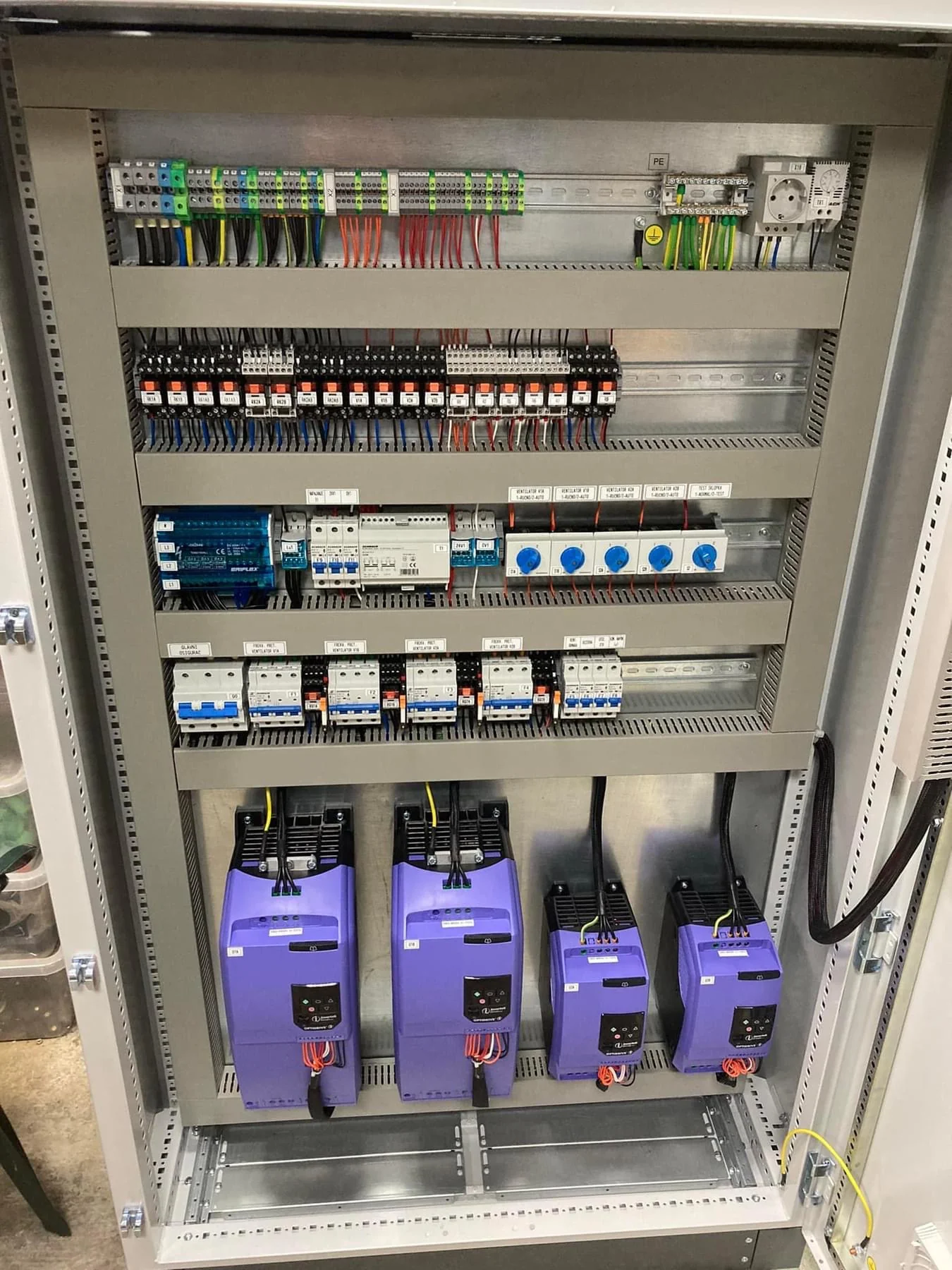


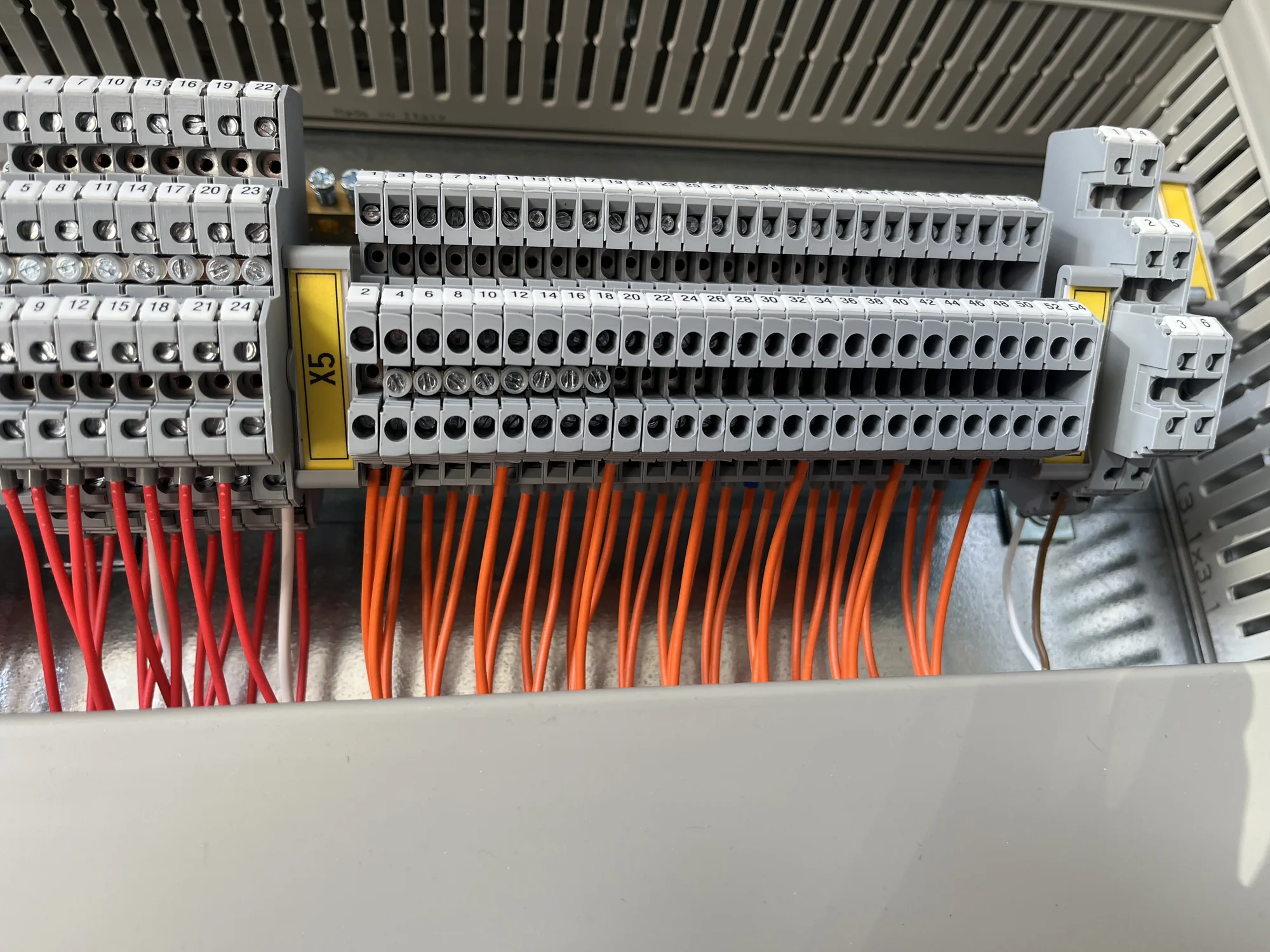
Selected companies and organisations listed on KLALU's reference list.











Variable frequency drive installation includes fitting and electrical connection according to the appropriate design and motor drive requirements. Device characteristics, installation conditions and existing equipment must be coordinated.
Drive selection, parameter configuration, PLC connection and commissioning may be related but separately agreed stages. The exact scope must be defined before work starts.
For an initial enquiry, provide motor nameplate data, a description of the drive purpose and available technical documentation. Power supply, load type, control method and operating conditions may be important.
If replacing an existing drive, attach its identifier, photograph or technical data. State whether you need only device replacement or additional connection and control work.
Replacement depends on motor characteristics, existing control methods, electrical connections and drive requirements. A new model may have different dimensions, parameters or functions from the previous device.
Before replacement, check technical compatibility and establish whether additional changes to connections, equipment or the control system are needed.
Installation cost depends on device type and characteristics, the existing installation, electrical connection complexity and the required work scope. For replacement, differences between the old and new models may affect the price.
If the project includes drive supply, further panel changes, parameter configuration or automation connections, define these items separately in the quotation.
Parameter configuration sets the appropriate operating settings for the device, motor characteristics and drive requirements. Depending on the model, settings may include motor data, control method and specified operating functions.
Distinguish configuration of the drive itself from PLC program development or commissioning the complete system. Whether these activities are included is determined by the agreed scope.
Yes, many variable frequency drives can connect to a PLC through suitable control signals or supported communication interfaces. Connection options depend on the specific drive model and existing automation.
This requires defined control functions, available signals and responsibilities for electrical connection and PLC programming. Integration is not automatically included in every drive installation.
Send motor information, existing equipment details and the drive purpose. Attach any design, electrical schematic or existing drive data so we can clarify the required work and prepare a quotation.